
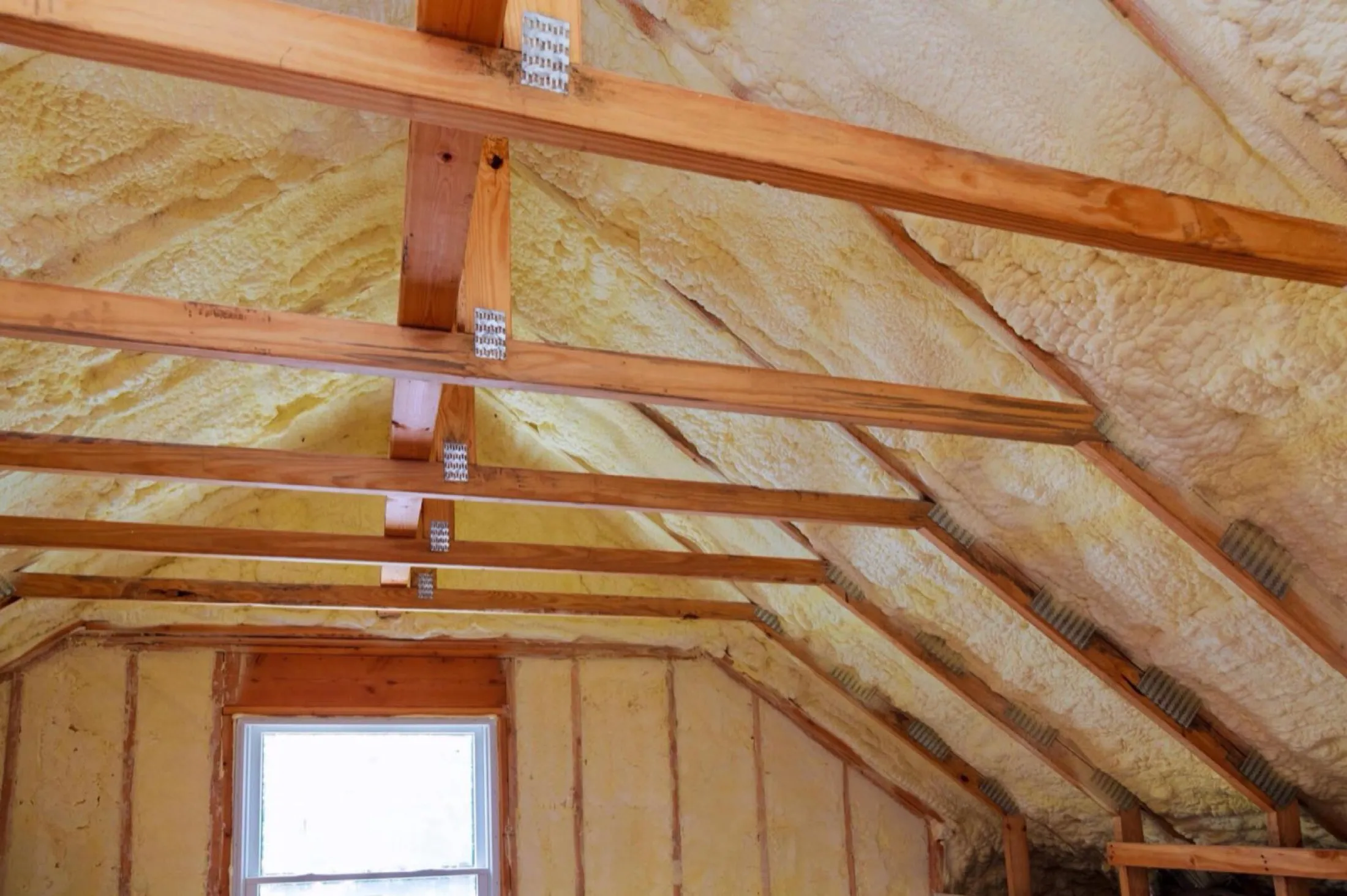
Blow-In Insulation in Arizona
Blown-in loose-fill insulation that fills Arizona attics and enclosed cavities for better, more even coverage.
Blow-in insulation gives Phoenix-area properties a practical way to improve attic coverage without fitting individual pieces around every joist, wire, and duct. Loose-fill material is installed through a hose so it can spread across uneven attic floors and settled areas.
Delta Insulation installs blown-in fiberglass and cellulose for homes and light commercial spaces in Phoenix, Glendale, Peoria, Sun City, Surprise, and Avondale. The right material and depth depend on the attic, what is already there, and the performance goal.
How Blown-In Insulation Works
Loose-fill insulation is fed through equipment and blown into the target area until the planned coverage is reached. In attics, that usually means building an even blanket across the ceiling plane while working around framing and mechanical obstacles.
Unlike batts, blown-in material does not need to be cut to fit every irregular space. That makes it useful for topping up older attic insulation, filling broad fields, and improving coverage in places where hand-fitted material would leave gaps.
Where Blow-In Insulation Fits Best
Blow-in insulation is commonly used on attic floors, above flat ceilings, and in selected enclosed cavities where access allows the material to be placed correctly. It is often the practical choice when an attic needs more depth across a large area.
It may not be the right answer for every roofline or exposed wall assembly. If the project needs air sealing, roof deck treatment, or a different moisture strategy, Delta Insulation can compare blown-in material with spray foam, batts, or radiant barriers.
R-Value, Depth, And Settling
Blown-in insulation is planned by material type and installed depth. The target depth depends on the existing attic conditions and the project goal, and the installer needs to account for how the chosen material behaves after placement.
Even coverage matters as much as the number on the bag. Thin spots around hatches, knee walls, duct runs, and tight corners can weaken the result, so the estimate should consider the full attic rather than only the open middle.
Blow-In Insulation Versus Batts
Batts work well in open framing where the installer can fit each piece cleanly. Blow-in insulation is often better for open attic floors because it can flow around the irregular layout of ceiling joists, wiring, and existing obstructions.
Both materials can perform well when installed carefully. The choice depends on whether the space is open or enclosed, how much access exists, whether old material is staying in place, and what the finished assembly needs to accomplish.
Blow-In Insulation Versus Spray Foam
Blown-in insulation mainly improves thermal resistance. Spray foam can also add air-sealing behavior where it is installed correctly. That difference matters in Arizona attics where air leakage and radiant roof heat can both affect comfort.
A practical insulation plan may use one material or combine several. For example, an attic might need cleanup, air sealing, blown-in insulation, and a radiant barrier rather than a single product solving every concern by itself.
What A Free Estimate Covers
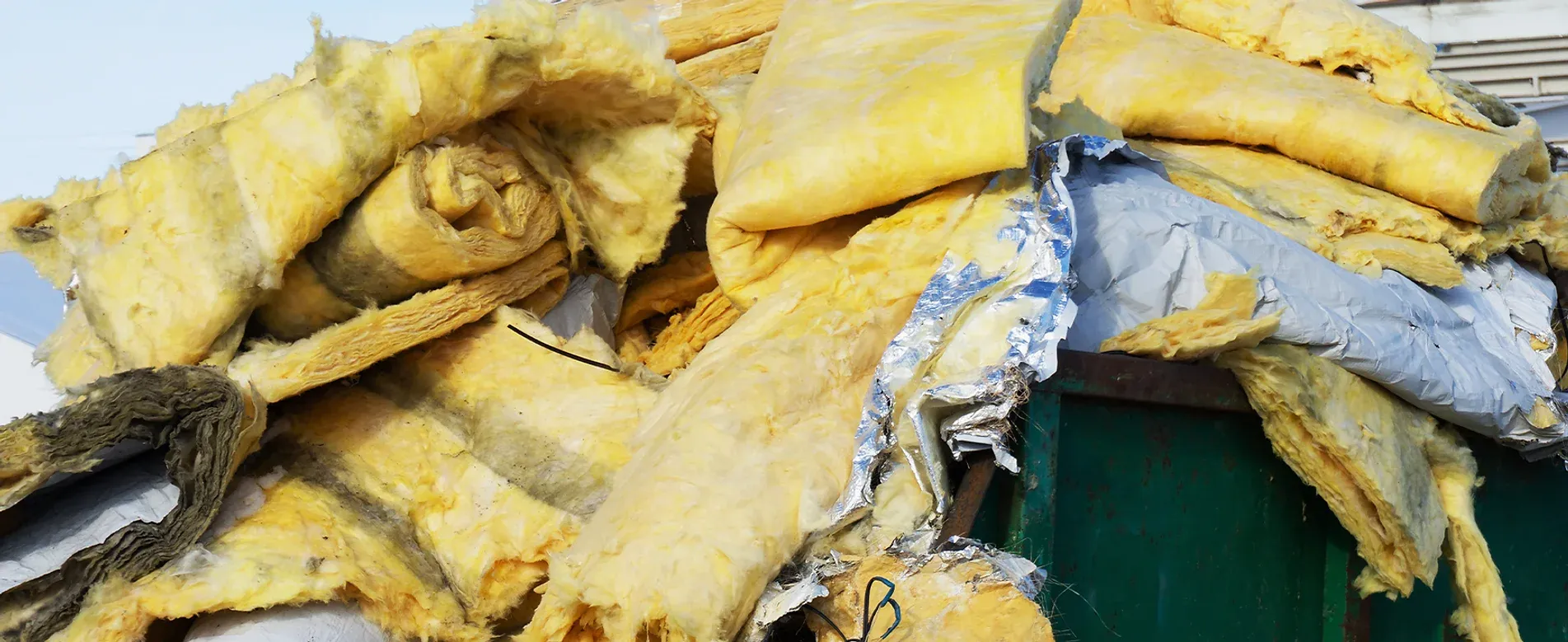
For blow-in insulation, the estimate should review attic access, current insulation levels, contamination concerns, ductwork, recessed fixtures, ventilation, and any areas that need blocking or protection before material is added.
Delta Insulation can explain whether topping up makes sense, whether removal should happen first, and how blown-in material compares with other options for your Phoenix, Glendale, Peoria, Sun City, Surprise, or Avondale property.
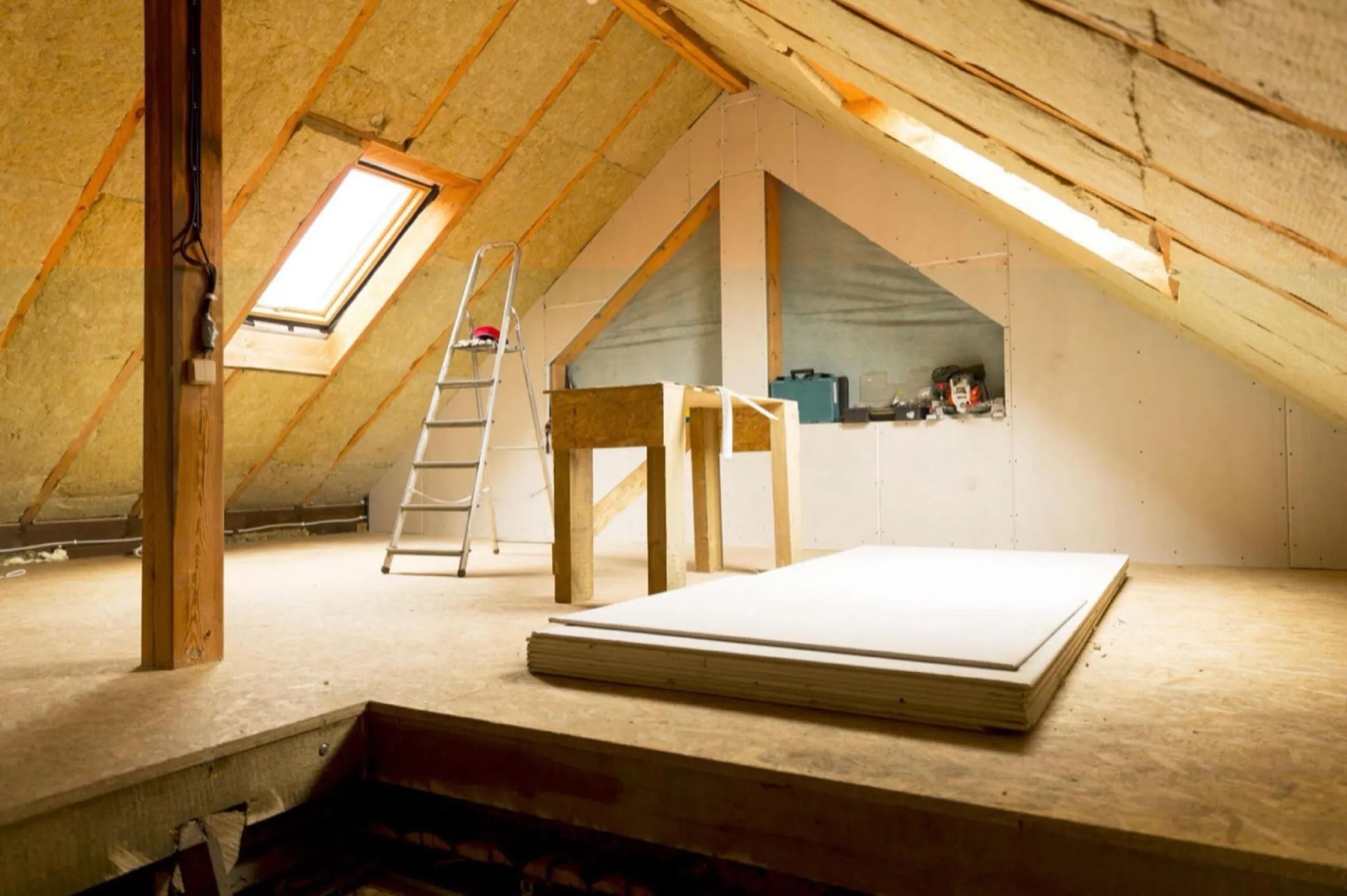
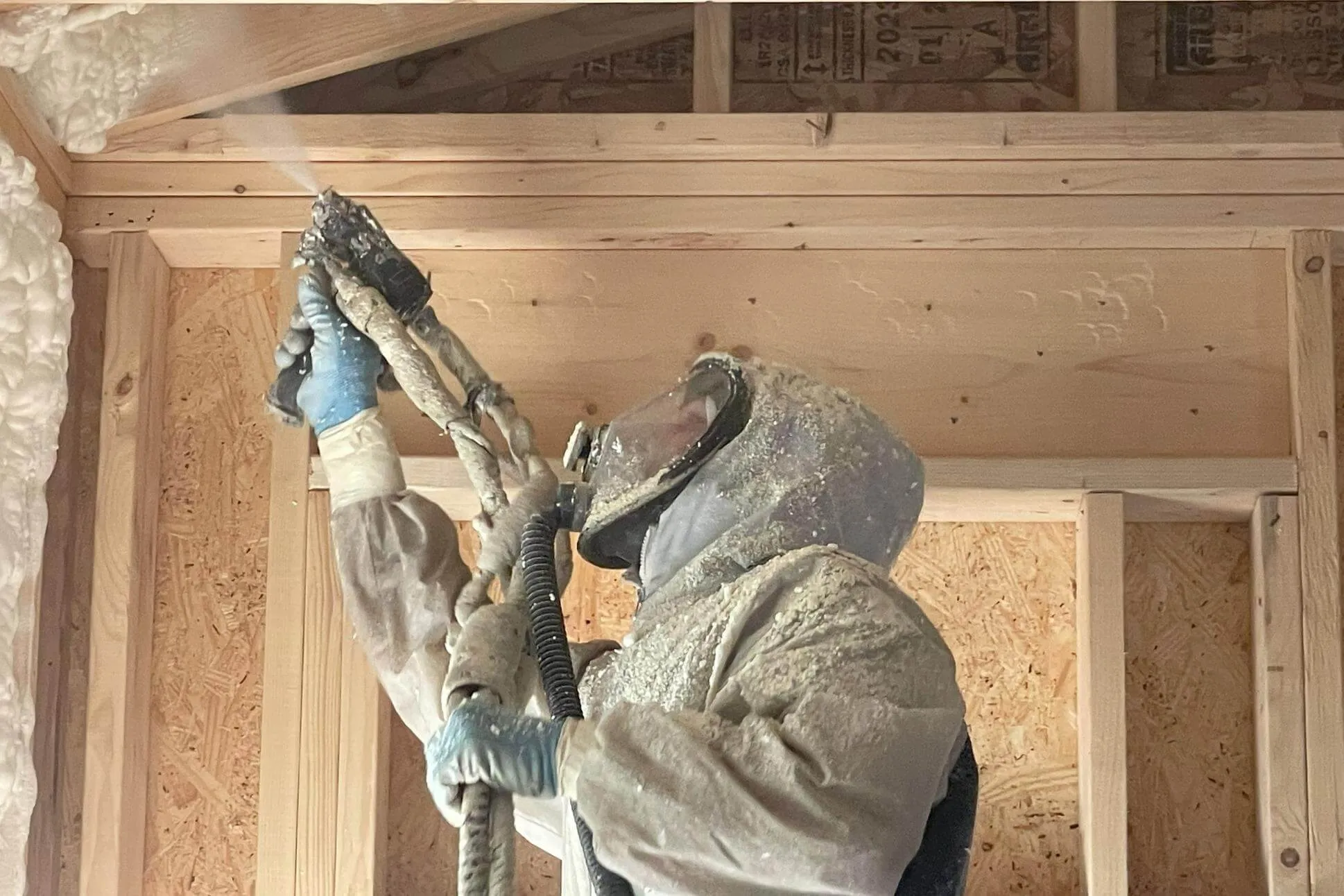
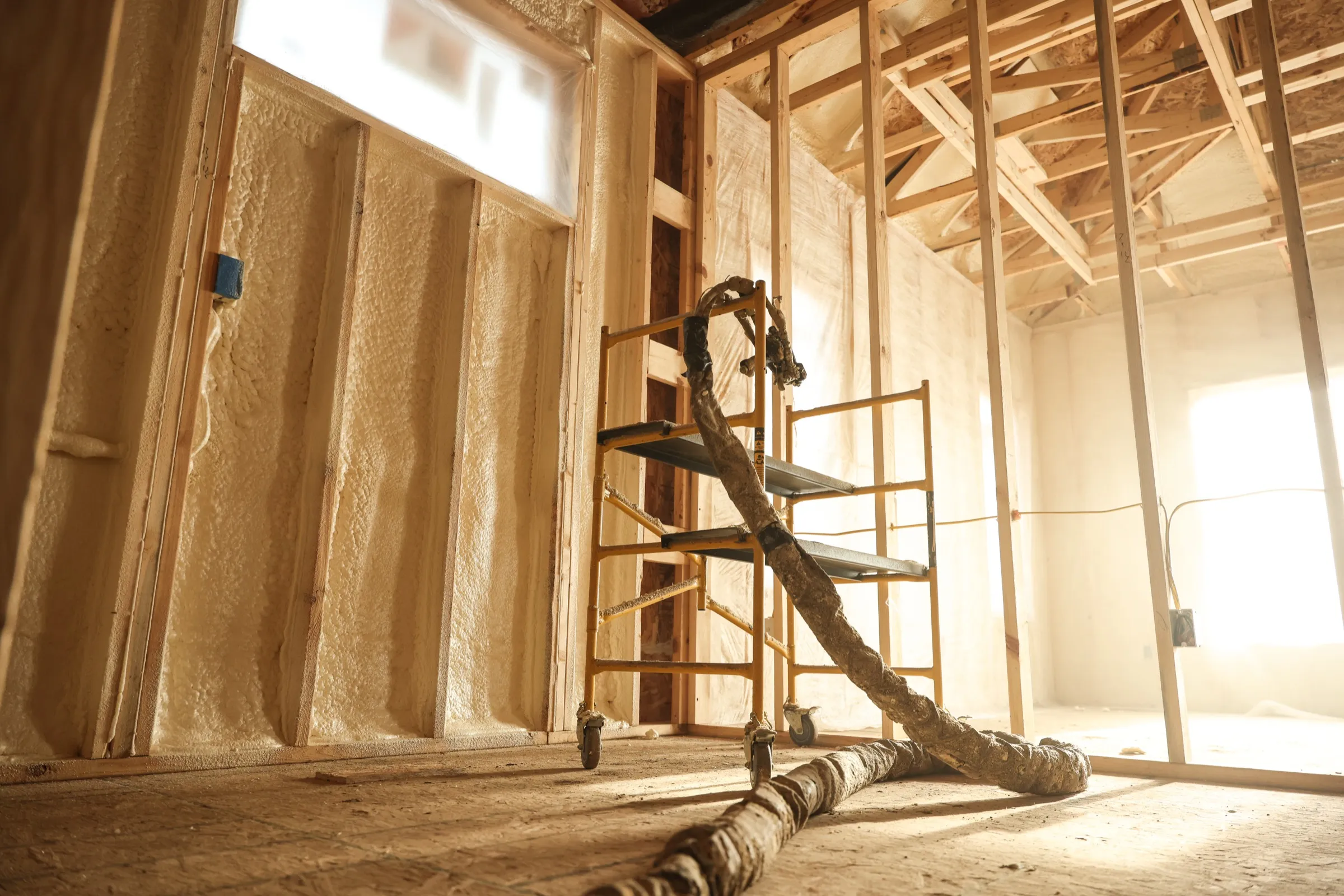
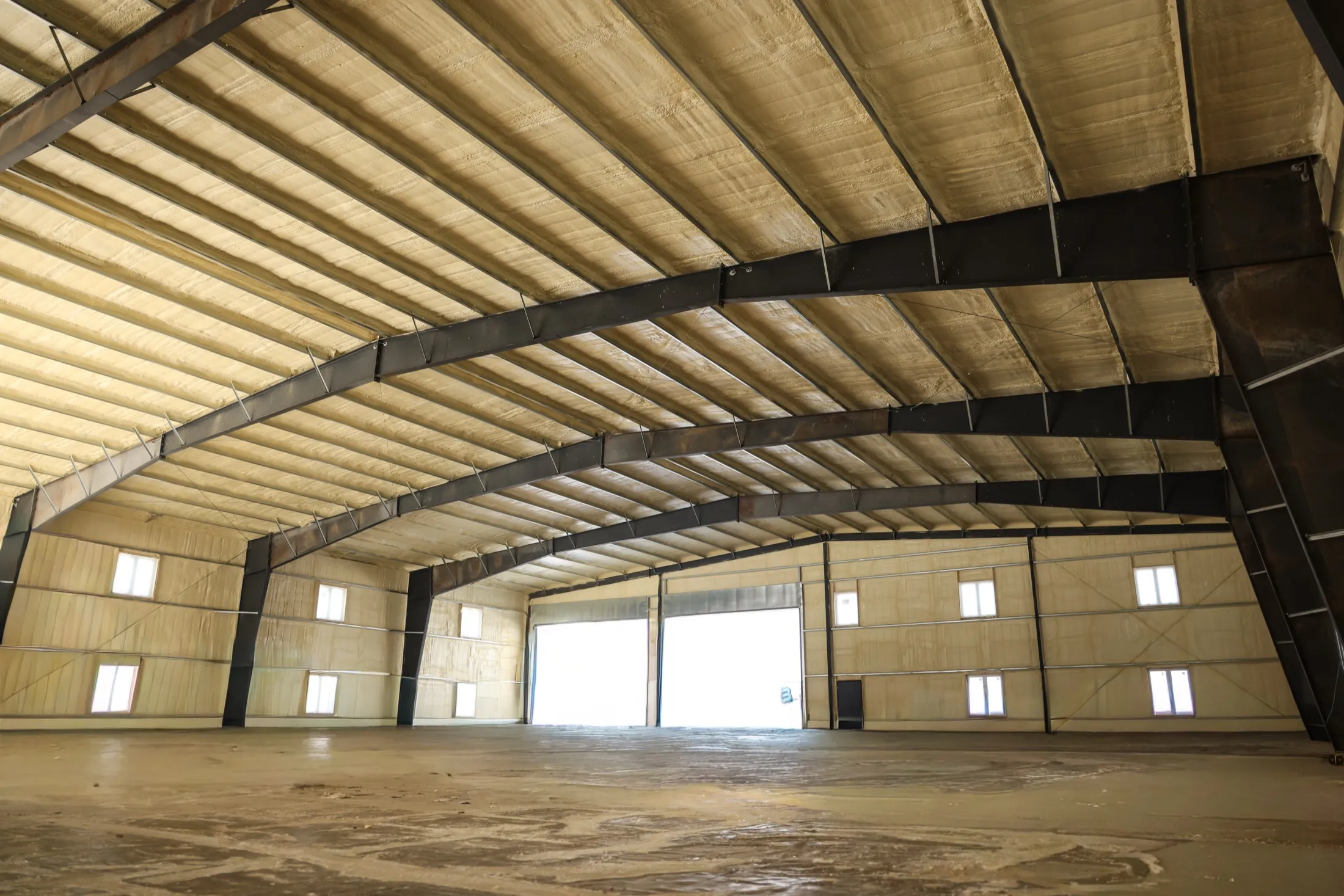
Spray Foam in Action
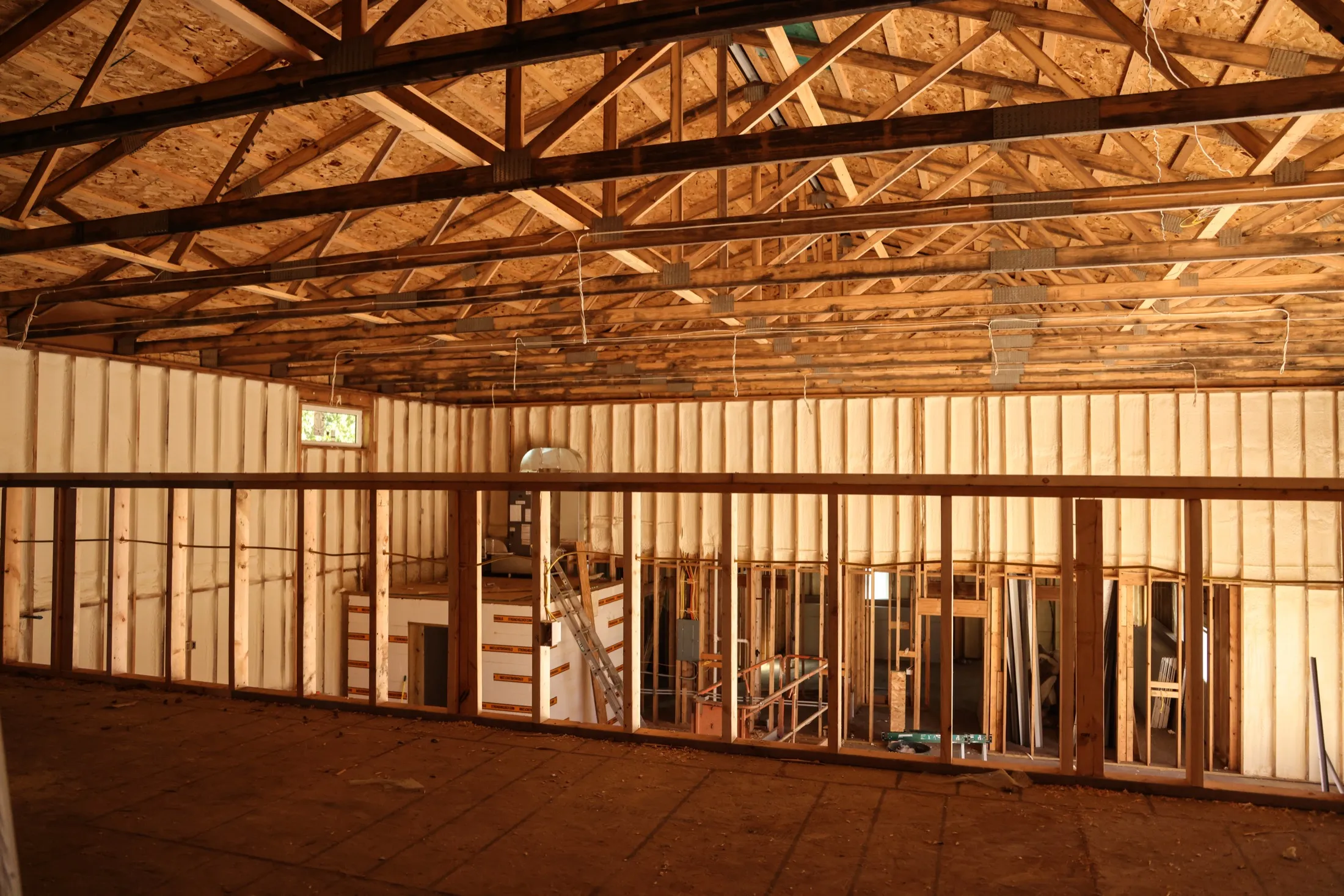
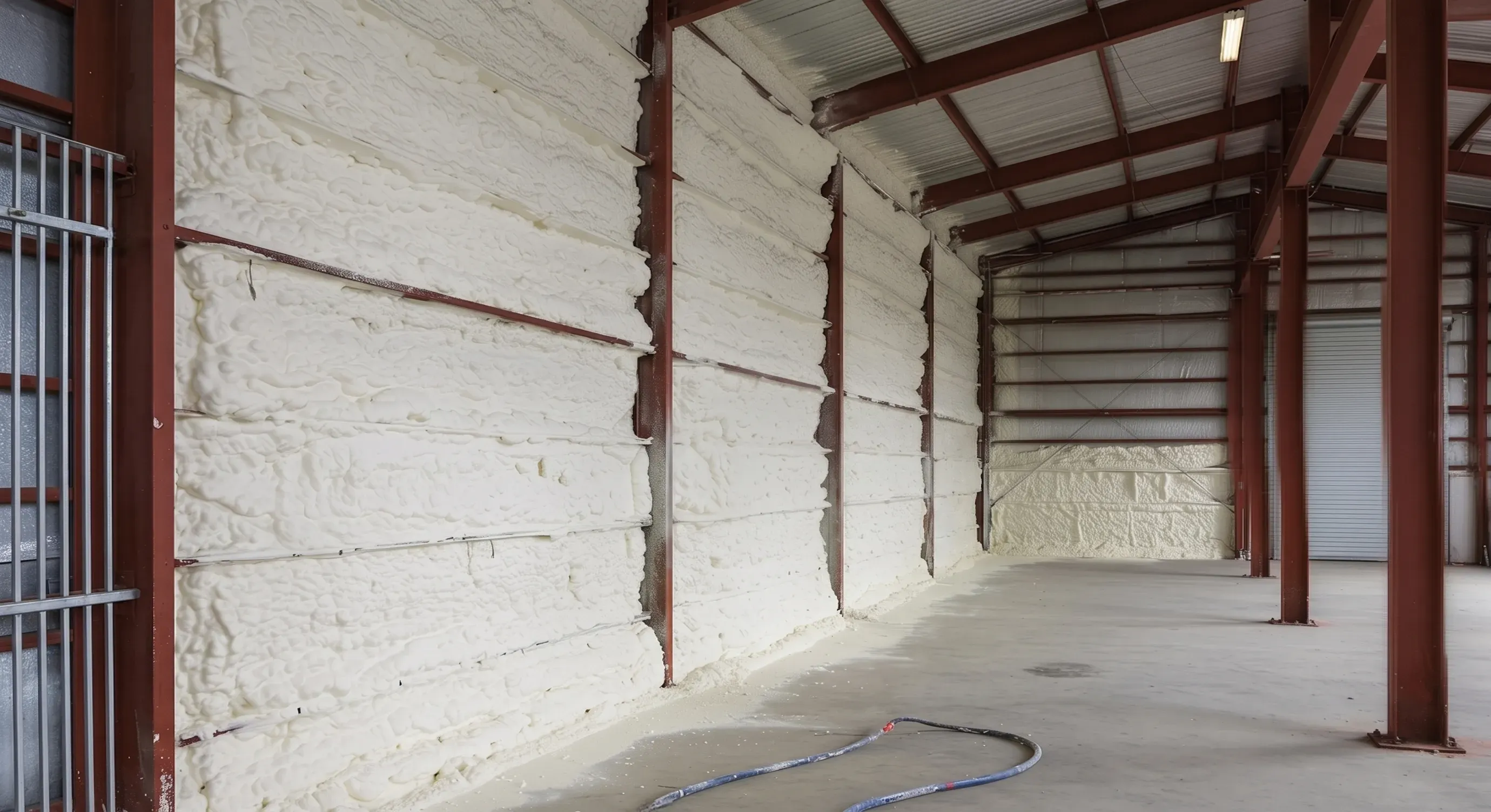
Other Insulation Services
Common Questions
Is blow-in insulation a good fit for Phoenix-area buildings?
Yes. Blow-In Insulation works well for many Phoenix-area homes and commercial buildings, but the right choice depends on the space, the assembly and how it is used. During a free estimate we confirm whether blow-in insulation or another option fits your building.
How much does blow-in insulation cost?
Cost depends on the area being treated, the material and thickness, access and prep. Estimates are free and given in writing, so you know the price before any work begins.
How long does a blow-in insulation project take?
Most projects are completed quickly once scheduled. Your written estimate includes the expected timeline for your specific Phoenix-area project.
Want to Know What Your Project Would Cost?
Tell us about the property and we'll help you determine the next step.
Free Estimates • Phoenix Valley Service • Residential & Commercial